Every Button You Press on That Remote Is Being Sold to Someone
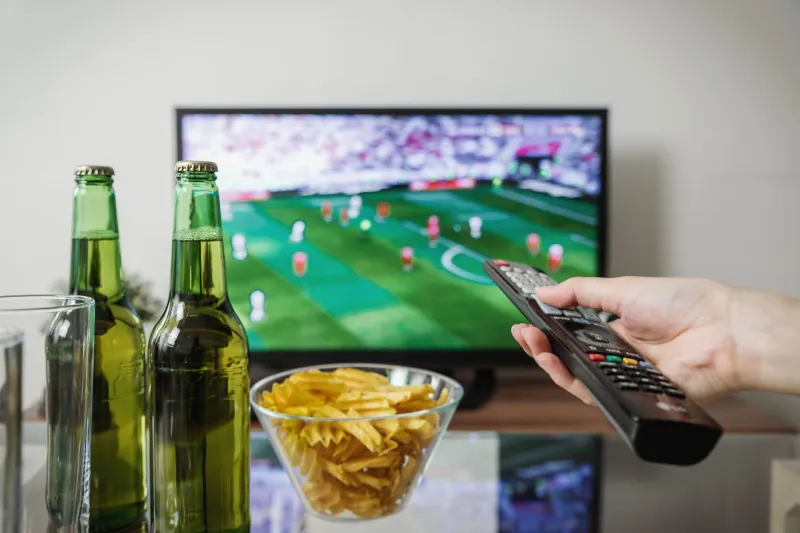
There's a good chance you haven't thought much about your TV remote since you last lost it between the couch cushions. It's just a clicker, right? A dumb little device that tells your TV what to do.
Except it's not dumb at all. And neither is the system behind it.
Every time you hit pause, skip back thirty seconds, or bail on a show after three minutes, that action gets recorded. Not just stored locally on your TV — actually sent back to manufacturers, third-party data brokers, and advertising platforms that are building a surprisingly detailed picture of who you are, when you're home, and what kind of person you are based purely on your viewing behavior.
This is the hidden economy of your living room, and it's worth a lot more than you'd probably expect.
What Your TV Remote Actually Knows About You
Modern smart TVs — whether you're running Roku, Fire TV, Google TV, or a built-in platform from Samsung, LG, or Vizio — aren't just passively displaying content. They're running software that monitors what you watch, for how long, at what time of day, and crucially, how you interact with it.
That last part is where it gets interesting. The remote isn't just a controller — it's essentially an input device feeding behavioral data into a system that's designed to interpret your habits. Advertisers don't just want to know that you watched a cooking show. They want to know that you paused it at the part where someone mentioned a specific brand of cookware, then rewound it, then paused again. That's not just viewership data. That's engagement data, and it commands a premium.
Vizio was one of the first companies to get publicly called out for this. Back in 2017, the FTC slapped them with a $2.2 million settlement after it turned out Vizio had been collecting second-by-second viewing data on 11 million TVs without properly disclosing it. The company's Inscape data platform was quietly capturing what was on screen — whether it was a streaming app, a cable channel, or even a gaming console — and selling that information to advertisers.
Vizio settled and updated its disclosures. But the practice itself? That didn't go anywhere.
Automatic Content Recognition: The Tech Nobody Told You About
The engine behind most of this data collection is called Automatic Content Recognition, or ACR. It's baked into most major smart TV platforms, and it works by essentially taking constant snapshots of whatever is on your screen and matching those images against a massive database of known content.
Think of it like Shazam, but for video — and running constantly in the background whether you're streaming Netflix, watching live sports, or playing a Blu-ray you bought ten years ago.
ACR doesn't care how the content got to your screen. It just identifies what it is and logs that you watched it. Samsung, LG, and Roku all use some version of this technology. By default, it's usually turned on.
The data that ACR generates is valuable because it solves a problem advertisers have struggled with for years: they couldn't reliably track what people actually watched on traditional TV. With ACR, they can. And they can do it at the individual device level, which means they can build targeting profiles that are frighteningly specific.
The Second-Screen Advertising Game
Here's where it gets really layered. TV manufacturers aren't just selling your data to generic ad networks. They're feeding it into what the industry calls the "second-screen" advertising ecosystem — a system designed to coordinate what you see on your TV with what you see on your phone, tablet, or laptop.
Say you watch a car commercial during a football game. The advertiser knows your TV's IP address. That address gets matched against your household's mobile devices. Now your phone starts serving you ads for that same car brand. You probably assumed it was a coincidence, or maybe that your phone was listening. It wasn't listening. It was just receiving the downstream effects of your TV remote's data trail.
This cross-device targeting is a major revenue stream. Roku, for example, reported that its average revenue per user from its platform business — which is almost entirely advertising — has been growing steadily year over year. The remote you use to browse The Roku Channel is essentially a monetization tool that pays for the hardware subsidy that made your Roku stick so cheap in the first place.
Samsung operates a similar model through its free ad-supported streaming service, Samsung TV Plus. LG has its own ad platform. Amazon's Fire TV is particularly aggressive about this, given that the entire company is built around selling you things.
What Your Pause and Rewind Behavior Is Actually Worth
Let's get specific about the behavioral data piece, because this is the part that most people don't fully register.
When you rewind a scene, that tells an advertiser something was compelling enough to watch twice. When you pause during a commercial, there's a question of whether you walked away or stayed engaged. When you switch away from a channel within the first thirty seconds of an ad, that's a signal that the creative didn't land. When you consistently abandon a type of content after two minutes, that tells platforms something about your actual preferences versus what you clicked on in a moment of curiosity.
All of this behavioral data — the micro-interactions that you make without thinking — is being aggregated and sold. Individual data points aren't worth much. But at scale, across millions of households, this stuff is genuinely valuable to media buyers and brand strategists.
Industry estimates have put the value of a single household's TV viewing data at somewhere between a few dollars and a few dozen dollars per year. That might sound modest, but multiply it across tens of millions of devices and you start to understand why every major TV manufacturer has pivoted hard toward software and advertising revenue over the past decade.
What You Can Actually Do About It
The good news is that most of this is opt-out-able, even if manufacturers bury the settings to make that inconvenient.
For ACR specifically, the settings are usually under names like "Viewing Data," "Samba Interactive TV," "LivePlus," or just "Personalized Advertising" depending on your TV brand. On Roku, look under Settings > Privacy > Smart TV Experience and turn off "Use Info from TV Inputs." On Samsung, it's under Settings > Support > Terms & Privacy > Viewing Information Services. LG buries it in Settings > General > About This TV > Live Plus.
For Fire TV, dig into Settings > Preferences > Privacy Settings and turn off "Collect App and Over-the-Air Usage Data" and "Interest-Based Ads."
None of these are one-and-done fixes. Manufacturers have been known to reset these preferences after firmware updates, so it's worth checking periodically.
You can also consider running your streaming through a dedicated device rather than the TV's built-in platform, though that just shifts the data collection to whoever made the streaming stick.
The Bottom Line
Your remote is a lot more than a channel changer. It's a behavioral input device connected to a data economy that most people have no idea exists. The TV manufacturers figured out a while ago that the real money isn't in selling you a screen — it's in monetizing everything you do in front of it.
That's not inherently sinister, but it does mean you should probably know it's happening. Because right now, every pause, every rewind, every channel flip is adding a little more to a profile that someone, somewhere, is absolutely using to sell you something.